

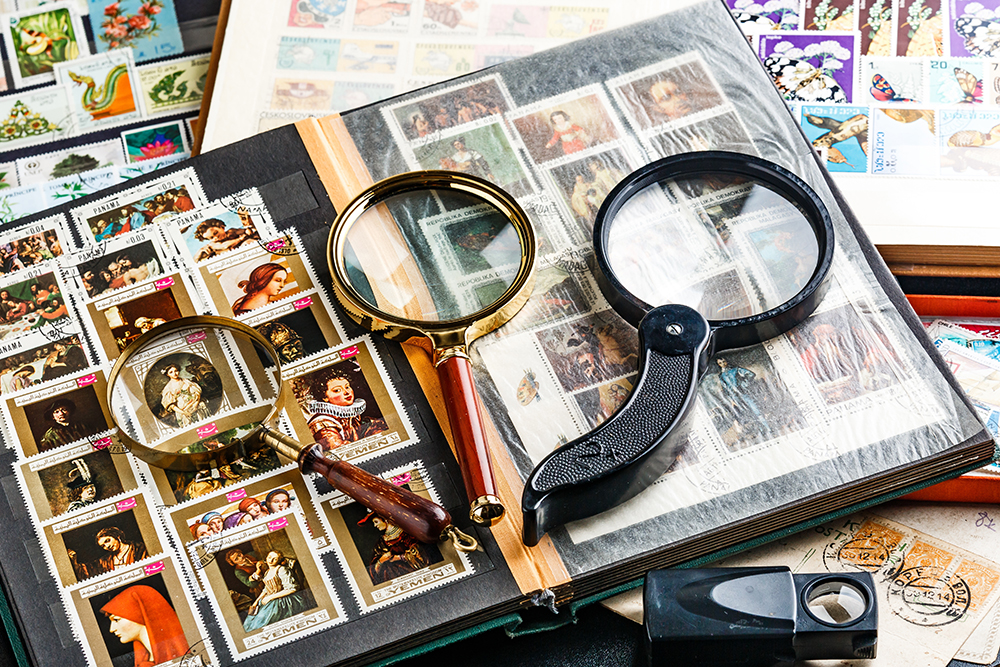
Most collectors buy items — art, antiques, stamps, coins, classic cars, and other tangible personal property — for the pleasure of owning and enjoying them. But you may reach a point where you want to sell a collectible to access the appreciation it has accumulated.
HIGHER CAPITAL GAINS TAX
The IRS taxes collectible gains at up to 28%. Long-term capital gains on most other assets are capped at 20%. For example, if you bought a rare painting for $100,000 and sold it five years later for $300,000, your capital gain would be $200,000. Under the collectibles rate, you might owe up to $56,000 in taxes, compared with the $40,000 capital gains tax you might pay on an investment sale. If you sell a collectible within a year of buying it, you’ll pay ordinary income tax on any gain, which could be as high as 37%.
GIFTING COLLECTIBLES
If you give a collectible to a loved one during your lifetime, they’ll assume your basis, which could burden them with a higher tax bill if they sell it. Transferring collectibles to heirs at death usually means they benefit from a stepped-up basis, which can improve their tax outcome.
How can you navigate these tax challenges effectively? Keep detailed records of your collectible purchases, expenses, and sales, and consult your trusted advisors before selling.